


How to play the Godzilla theme on piano with letters
Few pieces of film music are as instantly recognisable as the Godzilla theme. That slow, lumbering three-note motif, the brass-heavy roar that follows, the sense of something ancient stomping across a city skyline — it has lived in moviegoers' heads since 1954, and it continues to captivate players who want to recreate that kaiju feeling at the keyboard. The good news is that you do not need years of formal training to pull it off. With letter notes, anyone with a piano or digital keyboard can start hammering out the iconic tune within an afternoon.
This walkthrough will take you through the musical structure of the theme, show you how letter notation translates onto the keys, and offer practical ways to build the piece up step by step. Whether you are in a flat in Surry Hills with thin walls or out on a verandah in Cairns with the cicadas buzzing, the approach stays the same: learn the motif, repeat it, and let your inner monster loose.
The story behind the theme
The Godzilla theme was composed by Akira Ifukube for the 1954 Japanese original, and it has been re-recorded, re-arranged, and re-imagined for almost every film in the franchise since. Musically, it leans on a stark, almost childlike idea: three low notes followed by a rising flourish. That simplicity is exactly why it has survived seven decades. A beginner does not have to wrestle with dense chord voicings or fast runs to get something that sounds unmistakably like the King of the Monsters stomping into frame.
When you reduce the theme to letter notation, the bones of the piece become even clearer. You are essentially working with a short rhythmic motif, a pause, and a louder, fuller response. Think of it like a conversation between the monster and the city: a footstep, a heartbeat, a roar. Once you understand that call-and-response shape, every variation across the franchise scores suddenly makes sense, and you start hearing the same skeleton in pieces you never noticed before.
Reading letter notes on the keyboard
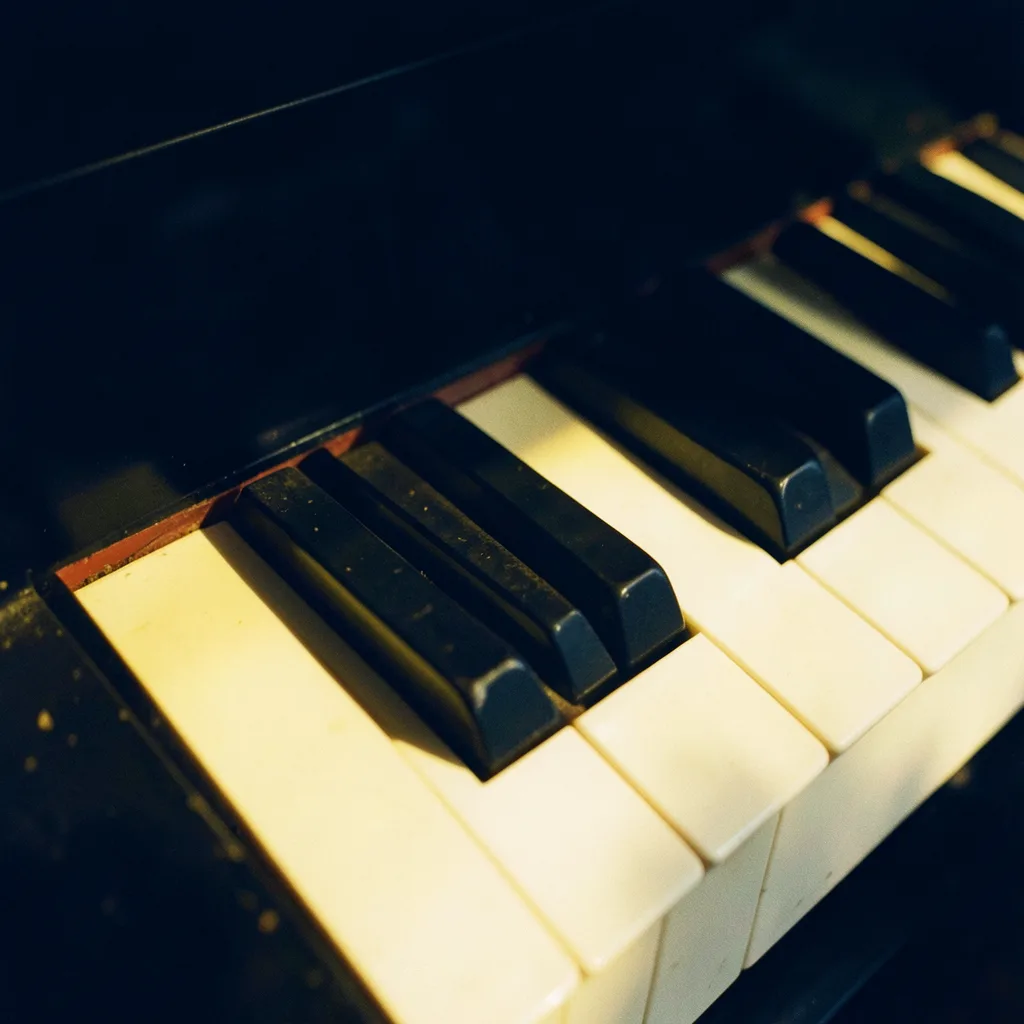
Letter notation replaces the squiggles of sheet music with the letters A through G, the seven notes that repeat up and down the piano. Middle C sits in the middle of most keyboards and acts as your anchor point. From there, the alphabet climbs to the right and drops down to the left, with each octave repeating the same pattern. There is no clef to worry about, no sharps and flats to count, just letters and rhythm.
If you have ever tapped out a melody on a piano app while waiting for your flat white at a Brunswick café, you have already done something close to reading by letter. The method strips away the complexity of staves, key signatures, and time signatures, leaving only the raw notes you need to press. It is a system that works brilliantly for film themes, where the melody is what matters and the harmony can be layered in later once you feel confident.
For many Australian beginners, this approach is more practical than formal lessons. Music schools in Sydney and Melbourne can charge upwards of AUD $80 per half-hour session, and waiting lists for popular teachers stretch months. Letter notes give self-learners a way to enjoy recognisable tunes without that commitment, and they pair well with the kind of casual practice that fits around work, study, or weekend trips to Bunnings.
Breaking the motif into bite-sized pieces
The opening of the Godzilla theme is built on three low notes played slowly, followed by a sudden, loud flourish. In letter notation, that opening looks roughly like this: three notes in the lower register, a rest, then a sweeping run that climbs and falls. The trick is to treat it as two separate ideas, the footstep and the roar, and learn them individually before stitching them together. Trying to play the whole phrase on day one is the fastest way to get frustrated.
Start with the footstep. Play the three low notes evenly, almost mechanically, and let each one ring for a full beat. The rhythm is meant to feel heavy, like something dragging one enormous foot across the pavement of Flinders Street. Once that feels natural, move to the roar. This is where your right hand comes in, playing a faster, more dramatic phrase. You will probably need to repeat it ten or fifteen times before it feels automatic, and that is completely normal.
When both halves feel comfortable, put them together. Play the footstep, pause for one beat, then unleash the roar. Listen back to a recording of the original and try to match the timing. The Godzilla theme lives or dies on dynamics, the gap between soft and loud, slow and sudden, so practise the footsteps as quietly as possible before bringing the roar in at full volume. That contrast is what gives the piece its punch, and it is what separates a polite rendition from a cinema-quality one.
Comparing letter notes to other learning methods
Different approaches suit different learners, and it helps to see how they compare before committing your time and money.
| Method | Cost in AUD | Skill needed | Best for |
|---|---|---|---|
| Letter notes | Free to low | None | Quick results, popular songs |
| Traditional sheet music | Free to moderate | Some reading skill | Long-term technique |
| YouTube tutorials | Free | None | Visual learners |
| Private teacher | $80+ per half hour | None | Structured progress |
| Music apps with subscription | $15 to $25 monthly | None | Gamified practice |
Letter notes sit in a sweet spot for people who want the satisfaction of a finished piece without the overhead of formal lessons. They pair especially well with other beginner arrangements like the Belle piano notes, which uses a similar slow, melodic feel that learners can build on after mastering the monster theme.
Practice habits that make a difference
Australian learners often find that a digital piano with headphones is the best tool for the stamina stage. Apartment living in Brisbane, Perth, or inner Sydney means thin walls and grumpy neighbours, and a good pair of closed-back headphones lets you roar without an eviction notice. Brands like Yamaha, Casio, and Roland are widely available at stores such as Australian Piano World in Sydney or online retailers that ship across the country. Budget models start around AUD $400, while weighted-key options sit closer to AUD $900.
A few small changes to your routine can dramatically improve how quickly the theme comes together.
- Practise the footstep motif first, every single day, for at least five minutes before adding the roar.
- Record yourself on your phone and listen back while making a cuppa. You will catch timing mistakes you cannot hear while playing.
- Slow everything down to half tempo at first. Speed comes naturally once the notes feel automatic.
- Use a metronome app on your phone. Free ones work fine, and tapping along trains your internal clock.
- Take short breaks. Twenty focused minutes beats an hour of distracted noodling every time.
- Watch a Godzilla film while you play along with the soundtrack. It builds the cinematic feel and keeps practice fun.
- Reward yourself with a coffee at your local café once you can play the full theme without stopping.
Ready to start stomping
The Godzilla theme is one of those rare pieces that sounds impressive the very first time you get through it, even if the technique is still rough around the edges. Pull up the letter notes, sit down at your keyboard, and give those three low notes a try. You will be surprised how quickly the roar comes together, especially once your hands learn the pattern and your ears start to recognise the shape of the melody.
Practising letter notes is really about reading patterns one symbol at a time, a skill that carries over to plenty of other interests. If you want to see that same step-by-step thinking applied elsewhere, this poker strategy review breaks down decisions the way a good letter-note sheet breaks down a melody. The next time someone asks what you are playing, you will have a monster of an answer ready.