



Sight-singing with letter notes: a beginner’s guide
Letter notes turn a melody into a sequence of familiar names, usually from A to G. Instead of deciphering musical symbols, a beginner can follow the shape of a tune and sing or play each note. This makes sight-singing more approachable for people who have little formal music training.
Sight-singing means reading unfamiliar music and producing the correct notes without first learning the melody by ear. Letter notation is useful here because the note names provide an immediate reference point, while keyboard players can check each pitch and hear how the phrase should sound.
Many Australian learners practise on a compact digital keyboard in a Sydney, Melbourne or Brisbane apartment. Familiar songs, including ARIA chart favourites and Australian singer-songwriter recordings, can make short sessions after work or dinner feel purposeful rather than demanding.
The approach works best as a cycle: prepare the keyboard, read a short phrase, sing it, play it, and repeat. Each stage reinforces pitch, rhythm and confidence without requiring a large theory lesson before the first note.
Reading what the letters mean
In letter notation, A represents the A note, B represents B, and so on. Sharps or flats may appear beside a letter for notes outside the main scale. Some arrangements also mark the octave or divide the song into timed groups, but the core information remains the order of the note names.
For sight-singing, read the notes as one melodic line rather than thinking of separate piano keys. Sing the letter names themselves, or translate them into scale degrees such as do, re and mi. Listen for rising and falling intervals, because that contour often reveals the tune before every individual pitch becomes comfortable.
Setting up at the keyboard
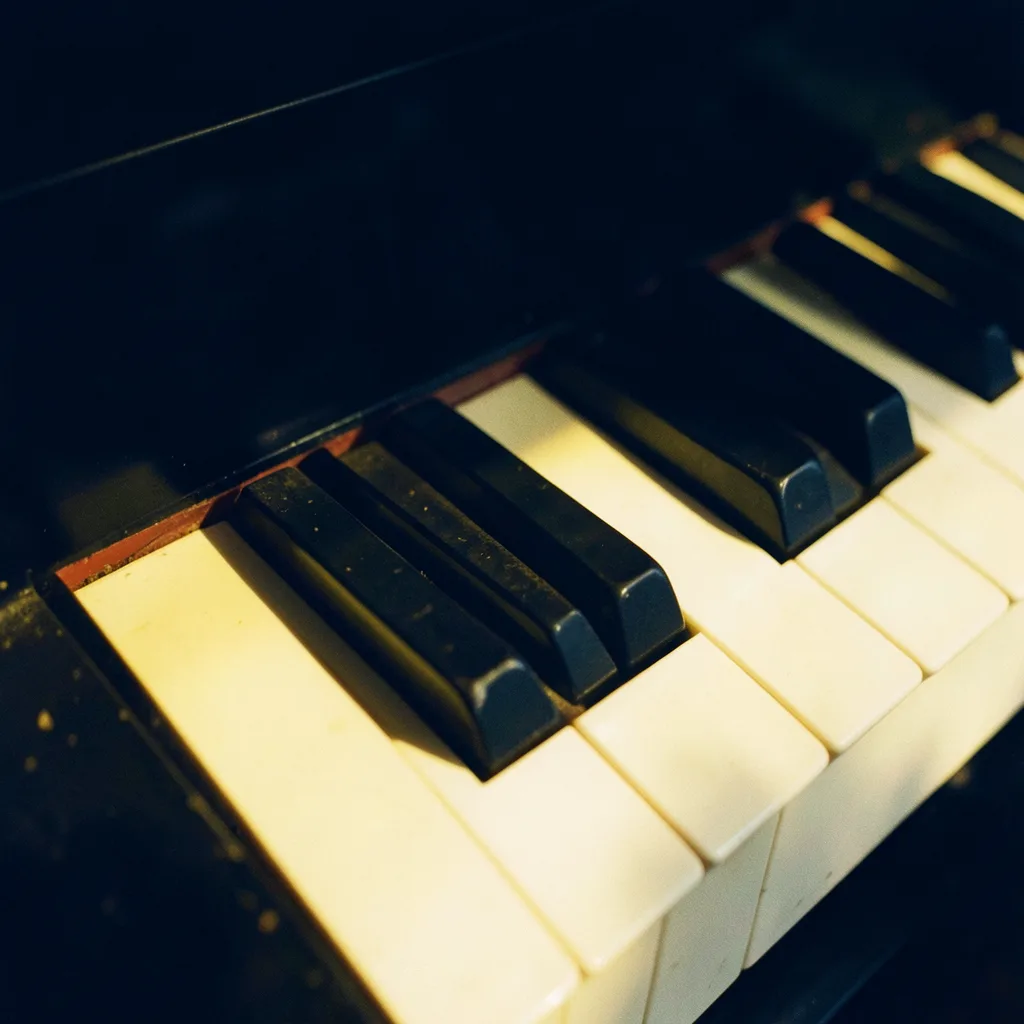
Place the keyboard where you can see both the keys and the screen. Find middle C, adjust the volume to a comfortable level, and keep your wrists relaxed. In a shared home, practise the vocal part quietly before adding the keyboard, then use headphones for the instrumental portion if neighbours are nearby.
You can explore Piano Letters to find an arrangement that matches your experience and favourite genre. Before creating an account, check how the service handles personal information; providers subject to the Australian Privacy Act 1988 should explain their data practices and comply with the applicable Australian Privacy Principles.
Singing before you press a key
Begin by reading two to four notes at a time. Look slightly ahead to the next note, but do not try to memorise the entire phrase. Sing the first group on a neutral syllable such as “doo”, then use the letter names once the pitch pattern feels secure.
Check the starting note against the keyboard, but return your attention to the screen before continuing. Sing through the phrase, play it, and then alternate between those two actions. This sequence develops inner hearing and trains your eyes to move across the page instead of waiting for a key to be identified.
Keeping the beat while reading ahead
Rhythm needs as much attention as pitch. A tutorial on reading time signatures explains why a bar may contain four beats, three beats or a grouped pulse. Letter-note learners can use that structure to count evenly and predict where each phrase should begin.
Speak the note names rhythmically before singing them, using “doo” for short values and “doo-oo” for longer ones. Clap or tap the main beat, then add the lyrics once the rhythm remains steady. Practise at the marked tempo first; increasing speed before the beat is secure often creates rushed entries and misplaced breaths.
A repeatable practice routine
These recommendations create a manageable session for beginners who want to combine reading, singing and piano playing.
- Choose a song you already recognise, preferably from an Australian chart or local music collection.
- Set up the keyboard and choose a page with clear note names and a visible time signature.
- Read a short phrase aloud before attempting the complete verse.
- Sing the phrase three times, changing only one element each time.
- Play the same phrase with one hand, then alternate singing and playing.
- Record one complete attempt and mark the first unclear phrase for the next session.
- Finish by playing the song once from the screen without stopping.
Beginner books and digital courses sold through Australian music retailers and online marketplaces often use familiar popular material because it gives learners an emotional reference for the tune. Copyright still matters: personal study differs from reproducing or posting an arrangement, so check the Copyright Act 1968 and obtain permission or an appropriate licence before sharing copies.
If a provider charges for access to arrangements, the Australian Consumer Law applies to the transaction. Paid digital services must meet relevant consumer guarantees, and a refund claim should not be dismissed merely because the material is delivered online rather than shipped.
Bringing feeling to the phrases
Once the notes and rhythm are dependable, vary the volume, speed and articulation. A crescendo should increase energy across a phrase, while a diminuendo can create a sense of withdrawal. Short notes may feel clipped, detached or light, whereas longer notes naturally encourage a sustained, connected tone.
The guidance on shape dynamics and emotion can help you connect these choices with the character of a song. Mark breath points beside the notation, select suitable vowels for sustained notes, and use the lyric as a prompt for the emotion. A meaningful phrase often sounds convincing even when every pitch is simple.
Turning notation into a sung melody
Sight-singing becomes easier when each exercise has one purpose. Read for shape, speak for rhythm, sing for pitch and play for confirmation. Keep phrases short enough that you can repeat them accurately, and resist the urge to rush towards the end of a song just because the notes are becoming familiar.
Begin with a slow melody in a comfortable key, then add a steady accompaniment or backing track. If the range feels unsuitable, choose a lower or higher arrangement rather than forcing the vocal line. Regular, focused practice gradually turns the page from a collection of letters into a sequence of musical phrases you can read, hear and sing.
Open Piano Letters, select a familiar song, and sing its first phrase aloud during your next practice session.